

Tampere University Secures €20m to Deploy AI Agents Across Construction Supply Chain
Tampere University has won backing from Business Finland for a €20 million initiative that aims to deploy 100 AI agents to tackle chronic productivity problems in building services engineering, marking one of Finland’s largest data economy pilot schemes.
Text by Martti Asikainen, 22.6.2026 | Photo by Adobe Stock Photos
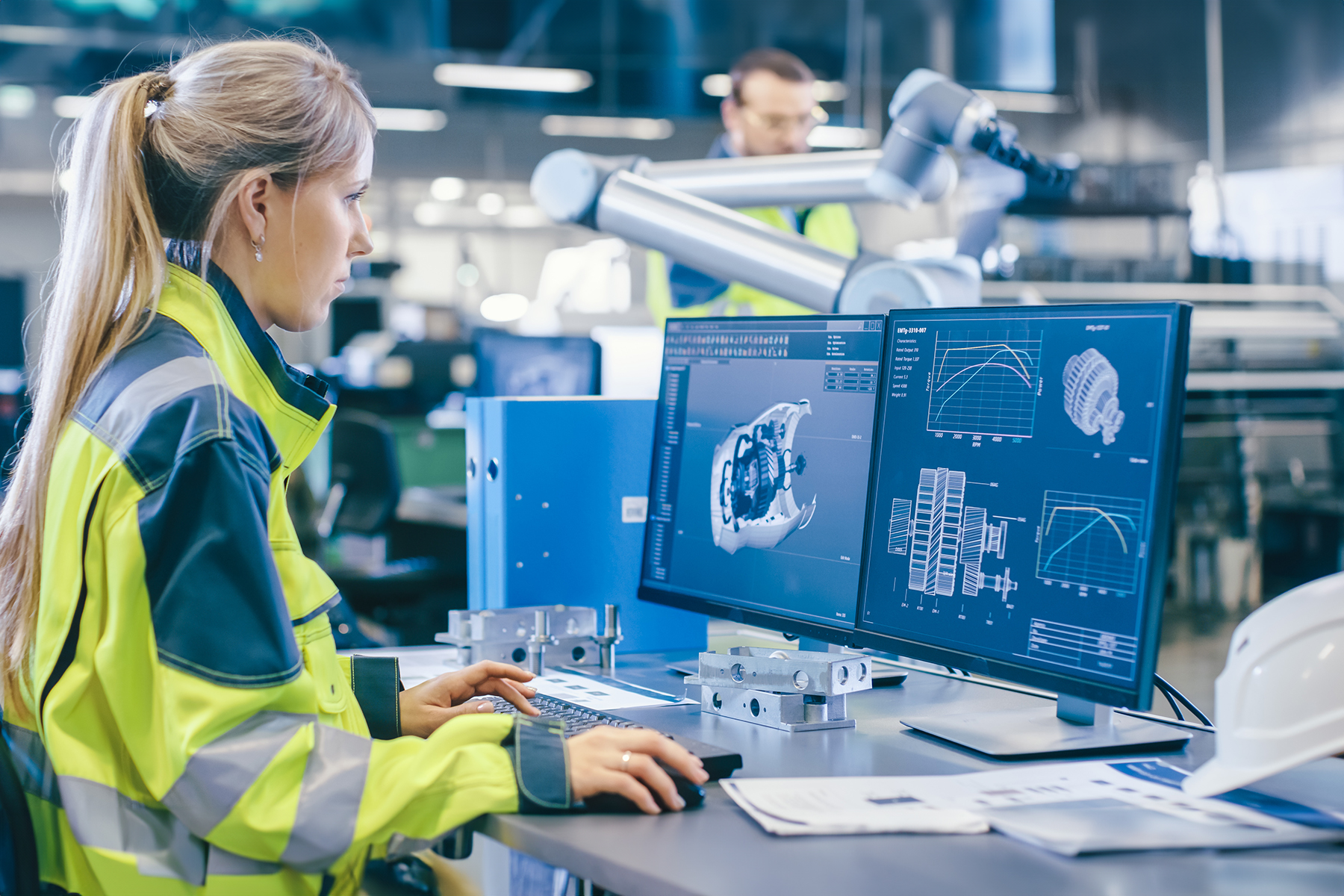
The three-year AI Champion project, which runs until June 2028, targets a persistent operational challenge in the construction sector: fragmented data flows that cause delays and cost overruns as information moves between designers, contractors, and maintenance teams.
At the heart of the problem, according to project coordinator Piia Sormunen, Associate Professor at Tampere University, is the stubborn persistence of PDF-based workflows. “Design documents are usually always in PDF format, which the contractor prints out at the construction site,” she explains.
“The big question here is why the data is not transferred electronically from one party to the next, but instead usually causes an information gap between the parties at some point in the process”, Sormunen tells.
GPT Laboratory to Build Bespoke Agents
The university will establish what it terms a “GPT laboratory”—a virtual AI development hub that kicks into action when information bottlenecks are identified in real company workflows. Researchers will then build agents tailored to specific process gaps, combining relevant information from across the supply chain.
Business Finland, the country’s public innovation funding body, has granted co-innovation funding to the consortium, with approximately €5 million allocated to the research component. The project brings together multiple construction and engineering firms alongside Tampere University and the University of Oulu, emphasising deployment in live company projects rather than laboratory testing.
“This is one of the most significant data economy pilot projects of the Ministry of Economic Affairs and Employment of Finland,” says Sormunen, who spent 20 months preparing the application. The initiative represents an interdisciplinary effort spanning Tampere’s Built Environment, Management and Business, and Information Technology faculties.
Real-Time Data Flow the Target Outcome
Professor Harri Haapasalo from the University of Oulu, who is contributing product management and business digitalisation expertise, frames the challenge in terms of continuous, automatic data transfer. “Data flow means more than just transferring data from one system to another,” he notes. “Our expectation is that data will flow continuously, automatically, and in the right format through different processes and systems so that it can be utilised in real time without manual intermediate processing.”
The project anticipates significant workflow changes as automation removes certain tasks while creating new, more data-driven roles. Sormunen suggests this restructuring could open opportunities for Finnish AI firms to export construction-focused solutions internationally as consortium companies improve their competitiveness.
The deployment of “human-like” AI agents at this scale represents a test case for whether autonomous systems can resolve the coordination failures that have long plagued complex construction projects, where multiple parties operate on incompatible systems and hand-written site notes remain commonplace.


Finnish AI Region
2022-2025.
Media contacts