Almost half of jobseekers have used AI, but fewer are optimistic about finding work, survey finds
A survey of 2,331 jobseekers found that 44% have used AI in their search, up from 33% a year earlier. Fewer are optimistic about finding or changing jobs within a year. Applicants want openness about how AI is used in hiring, and they want a person to make the choices.
Martti Asikainen | 17.11.2026 | Photo by Talentech
The share of jobseekers who have used artificial intelligence (AI) in their search has risen from a third to almost half in a year, according to a survey by the HR technology company Talentech. Of the 2,331 jobseekers who answered, 44% had used AI, against 33% a year ago.
The survey also found less optimism. Of the respondents, 39% were optimistic about finding a job or changing jobs within the next year, down from 43%. A further 19% were not optimistic at all, up from 16%, and this was clearly more common among the unemployed than among those in work.
Using AI without trusting it
Many jobseekers are using AI even though they do not trust it, the survey suggests. Of those who answered an open question about AI, 44% saw both benefits and problems, 37% were wholly negative and 19% were wholly positive. Talentech reached these figures by analysing the open answers with AI. Respondents were especially critical of the use of AI in recruitment.
Emma Kolehmainen, Talentech’s communications manager, said trust does not seem to have grown along with use. People use AI because they see it as a tool that, within limits, makes the search easier, and because they do not want to give others a competitive advantage, she said. Applicants want “openness about how AI is used” in recruitment, she said, and they want a person to make the choices every time.
Pay information and respect
Applicants are frustrated by the same things as last year: little communication, incomplete job adverts, heavy application forms and long processes. An unsuitable location is a bigger barrier to applying for those in work than for the unemployed.
About one in four open answers mentioned a need for numerical pay information, again according to the AI analysis. Respondents said poor communication and heavy processes show a lack of respect for an applicant’s time in a difficult job market. Posts that appear to have been lined up for an internal candidate in advance also anger them.
Kolehmainen said every employer can improve the applicant experience straight away with a clear advert that includes pay, a short application form and timely updates.
About the survey
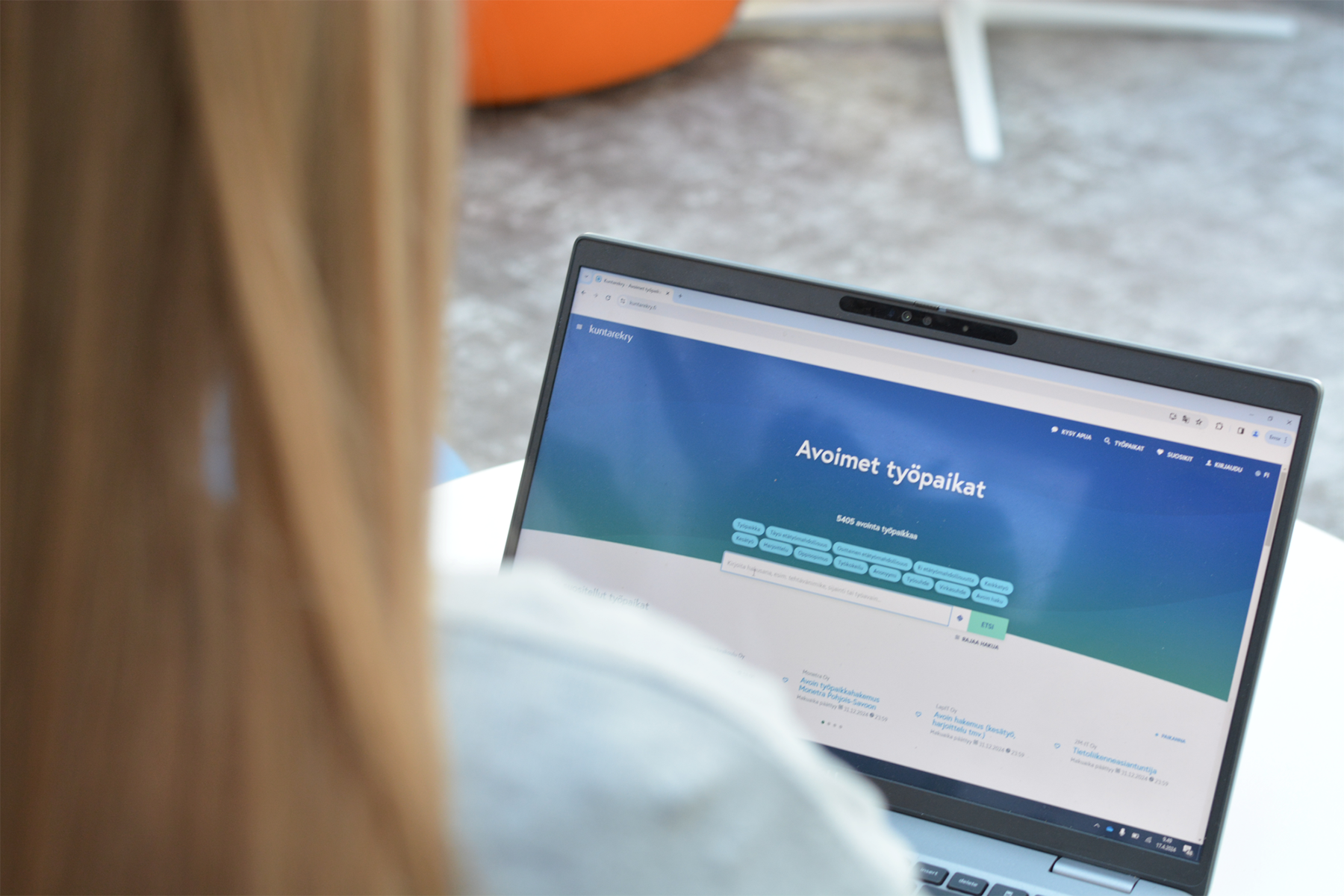
The survey was open for a week in October 2026 on Talentech’s Kuntarekry.fi and Kirkkorekry.fi recruitment sites, which serve municipalities, wellbeing services counties and parishes, and on the services’ social media channels. Of the respondents, 60% were working and 40% unemployed. People in work who were looking for new full-time jobs formed the largest group, at 43%, so the competition for vacancies is not only among the unemployed.
The sample is not representative of all Finnish jobseekers, and the number of respondents was a little over half of last year’s 4,285. A separate study by the job site Duunitori found a similar trend. It put the share of active jobseekers who have used AI at 45%, up from 37% a year earlier. In an earlier release, Talentech reported that the number of vacancies on Kuntarekry fell by nearly 17% in 2025, while the number of applications grew by more than 22%.