Microsoft reportedly involved in Pure DC's €7.5bn data centre project in Seinäjoki, Finland
British firm Pure Data Centres Group has begun construction of a 550-megawatt AI campus in Seinäjoki, Finland. The project’s value could rise as high as €7.5 billion. Microsoft is reported to be an early tenant, though neither company has confirmed this publicly.
Text by Martti Asikainen, 15.7.2026 | Photo by Adobe Stock Photos
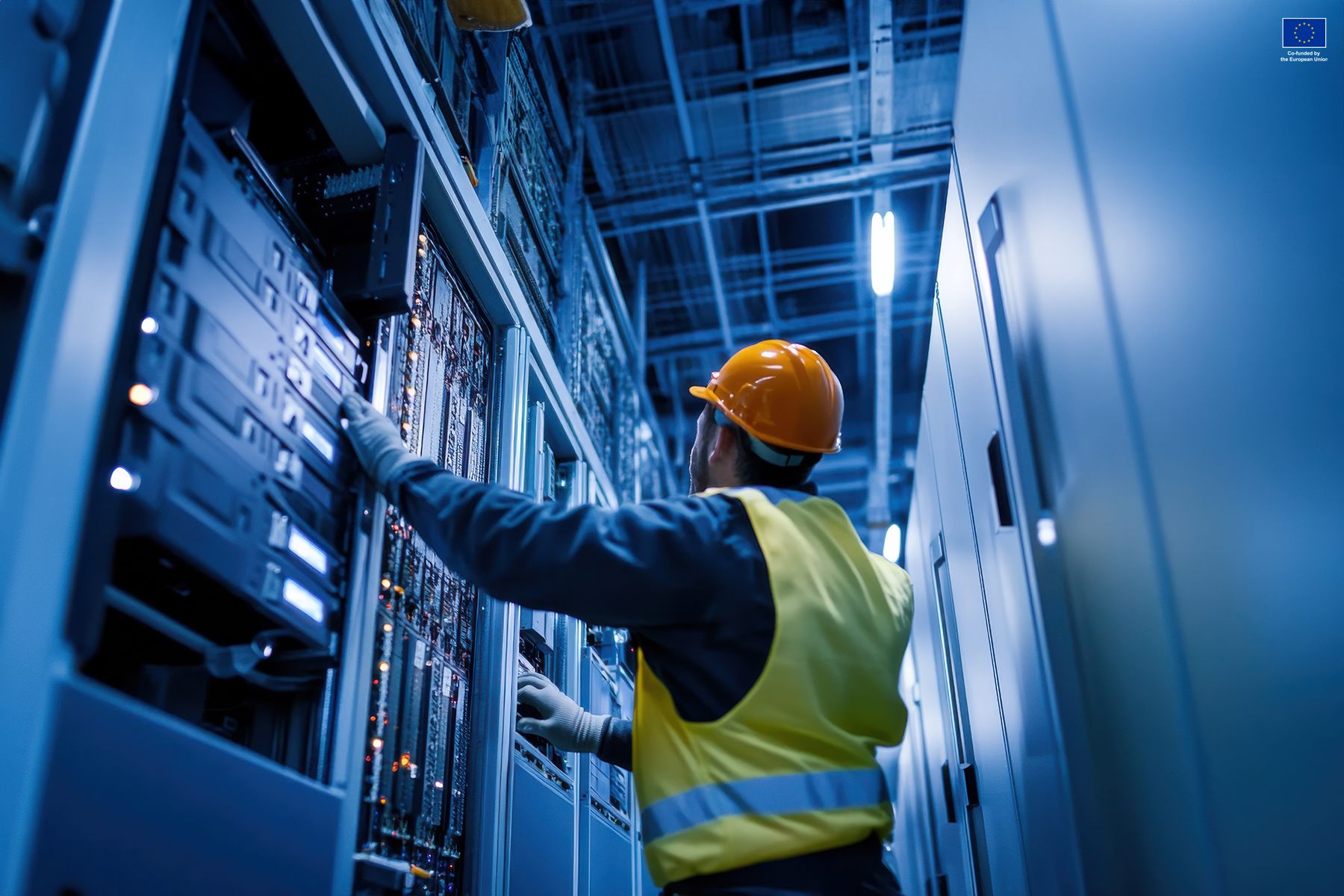
British company Pure Data Centres Group (Pure DC) has launched the first phase of a planned 550-megawatt (MW) AI data centre in Seinäjoki. The city administration has called it one of the largest foreign investment projects in Finnish history.
The first phase represents an investment of more than €1.5 billion and 110 megawatts of capacity. Investment in the site, known as SJK01, could grow to as much as €7.5 billion if capacity is expanded beyond 550 megawatts — though this depends on permitting processes and contracts being finalised.
According to the company, the first phase’s capacity has already been fully leased. Bloomberg reported, citing sources, that Microsoft is one of the largest tenants of that capacity. The publication sought comment from both Pure DC and Microsoft; neither named the tenant in their public statements.
Supply keeps energy costs in check
The data centre is planned for a site of roughly 150 hectares and will be built from 40-megawatt modules using direct liquid cooling to manage the high heat loads of modern AI hardware.
According to Pure DC, more than 700 megavolt-amperes of renewable electricity are available at the site, which the company expects will keep energy costs low.
The project has been in development for more than a year. In April, Pure DC purchased a 22.3-hectare plot from the city of Seinäjoki’s Kivenneva area for €3.86 million. At that time the project was sized for 500 megawatts; the company has since raised the target to 550 megawatts.
More than a thousand jobs
The first phase is expected to bring more than 1,500 construction jobs to the area, according to the Seinäjoki city administration. The full project could support more than 3,000 jobs over roughly ten years. Local partner SDC Ventures is involved in the construction.
Seinäjoki’s city mayor, Jaakko Kiiskilä, says the partnership with Pure DC has been two years in the making. He says the project will bring significant employment to the region for years to come across many different sectors. According to Kiiskilä, the business and property taxes generated by the site will be reinvested locally.
Pure DC is developing a skills pipeline together with Seinäjoki University of Applied Sciences and local educational institutions, aiming to train workers for a region whose economy has traditionally relied on the forestry and paper industries. Waste heat from the campus is intended to be fed into the city’s district heating network.
Part of a broader push into Finland
The Seinäjoki project is part of a broader boom in AI computing investment in Finland. Kajaani is already home to the LUMI supercomputer, one of the most powerful in Europe, for which a successor system focused on AI is being built. Authorities say it will be available to researchers and companies next year.
In June, Microsoft separately agreed to acquire roughly 190 hectares of land in Vaasa and Mustasaari, for its own, unrelated data centre project.
Pure DC’s chairman and interim CEO, Gary Wojtaszek, says that the countries building AI infrastructure will shape the global economy for decades to come. He points to Finland’s engineering expertise, renewable energy, and technology heritage.
According to Wojtaszek, the aim is also to build a wider AI ecosystem extending beyond the data centre itself into supply chains and local startups.
Financing relies on outside capital
Pure DC has been owned since 2013 by investment firm Oaktree Capital Management. In May, the company secured $2.7 billion in financing, much of it raised against its existing Dublin and Amsterdam campuses.
Oaktree is also reported to be seeking a minority investor for the wider Pure DC platform. The company has more than a gigawatt of projects underway in, among other places, the UK, the United Arab Emirates, Saudi Arabia, Spain, Indonesia, Ireland, the Netherlands, and Finland.
This indicates that financing across the whole pipeline still relies heavily on outside capital. How later phases of the Seinäjoki campus — beyond the already fully-leased first phase — will be financed and leased has not yet been detailed.