

How Much Research Can We Safely Hand Over to AI Agents?
What the EU’s updated AI guidelines mean for researchers, grant writers and reviewers now that AI does more of their work, and who is responsible when it gets something wrong.
What the EU’s updated AI guidelines mean for researchers, grant writers and reviewers now that AI does more of their work, and who is responsible when it gets something wrong.

In our October update, we point to a new Physical AI Accelerator, events on AI regulation and governance, a December hackathon and training for founders, developers and job seekers.

Finnish B2B sales company Vendre wanted to understand where AI could create real business value. Together with Finnish AI Region (FAIR) and experts from Haaga-Helia University of Applied Sciences, the company turned scattered ideas into…

Finland already has quantum computers in use, with more on the way, but they are still small and error-prone, and useful calculations are years away. Even so, companies should start on two things now: moving…

UMAI can handle personal data and class IV information, the lowest of four security classes. Early pilot tasks include human rights complaints, migration guidance, translation and administrative review requests.
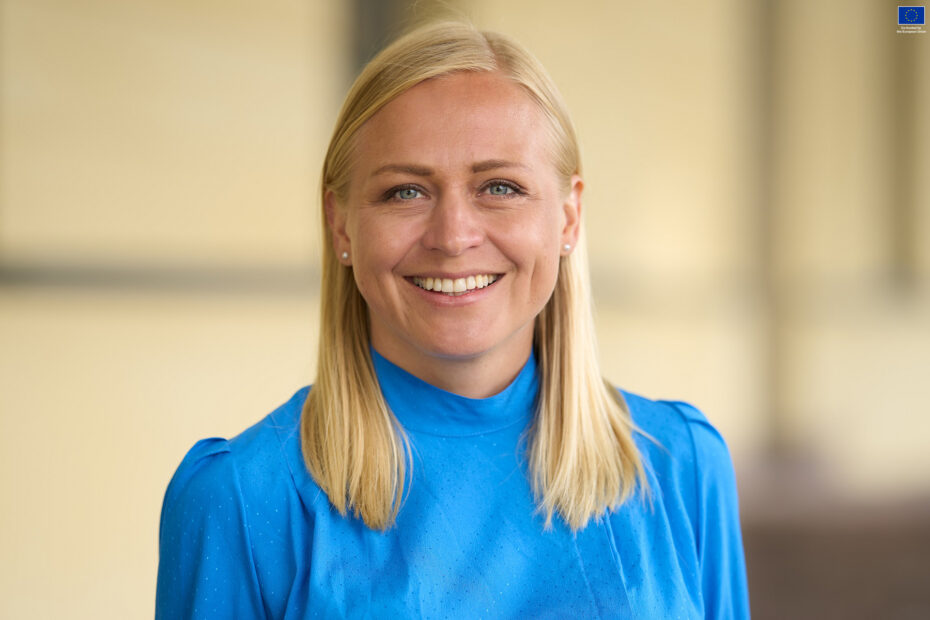
Finland’s foreign minister, Elina Valtonen, and her Singapore counterpart, Vivian Balakrishnan, met in Singapore. Their joint statement points to closer work on AI governance and quantum technologies, but names no projects, funding or deadlines.
Until recently, organisations wanted to learn how to write the perfect prompt. Today’s advanced AI models understand a task without precise wording, and the questions raised in training sessions have changed: how do we fit…
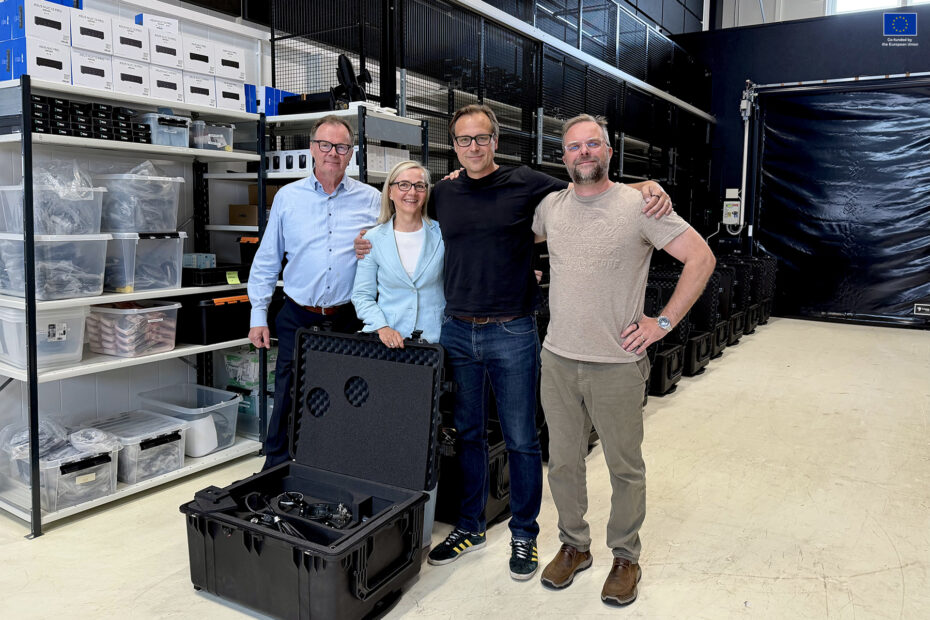
The pension insurer is one of four cornerstone investors in Sensofusion’s share offering, which was oversubscribed several times. The counter-drone company says its revenue more than doubled in the first half of 2026.

The French company says it has signed an unnamed AI laboratory as its customer and plans a 200-megawatt first phase at Kaipola in Jämsä, rising to 600 megawatts. The site is not yet in its…

A proof of concept (PoC) helps an organisation test whether an idea can work before committing to a larger investment. However, the term is now used so loosely that many PoCs prove very little at…