Finland Leads Europe in Generative AI Adoption
Two-thirds of Finnish firms use AI tools like ChatGPT, Claude, Copilot and Gemini. According to European Investment Bank’s survey, It’s the highest share in the EU.
Finland will be represented by Employment Minister Marttinen and Economic Affairs Minister Puisto at Brussels meeting.
European Commission scrutinises tech giant’s practices in training Gemini models and AI Overviews.
Every internet-connected device sold in Finland from children’s toys to home security cameras will soon need to meet mandatory cybersecurity standards under new legislation submitted to Parliament on 27 November. The proposals implement the EU’s Cyber Resilience Act, giving manufacturers three years to ensure their products comply or face removal from the market.
Despite tremendous advancements in AI, most organizations still struggle to turn it into real, repeatable value. Many companies experiment with tools like ChatGPT or Microsoft Copilot, run a few pilots, then hit a wall when they try to connect AI to their actual processes and data.
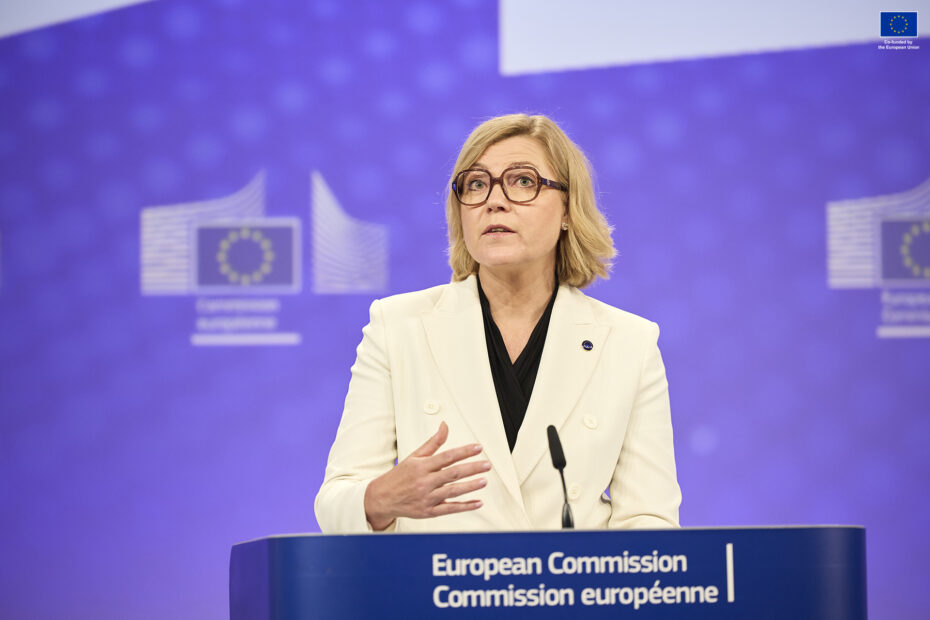
The European Commission aims to strengthen EU’s competitiveness in global tech race. Simplified regulation could free up to €150 billion annually. Digital Omnibus package seeks to cut red tape and ease operations for SMEs across EU single market.
Enlightenment philosophers believed that knowledge liberates. The EU AI Act relies on the same conviction, imagining that an enlightened citizen can identify deepfakes. In the third and final part of this blog series, we examine the transparency paradox and three alternative paths forward.
Finnish researchers have mapped out the technical roadblocks preventing quantum computers from revolutionising artificial intelligence, and identified the hardware and software breakthroughs needed to overcome them. Whilst the technology could unlock $2 trillion in value by 2035, critical challenges in data transfer and qubit stability must first be solved.
TildeOpen LLM marks a significant milestone in Europe’s quest for digital sovereignty, delivering superior performance in smaller European languages that Big Tech models routinely neglect.